
Blogs
Expert insights on blood disorders, blood cancers, and bone marrow transplant care from Dr. G. Stitha Pragna in Hyderabad.
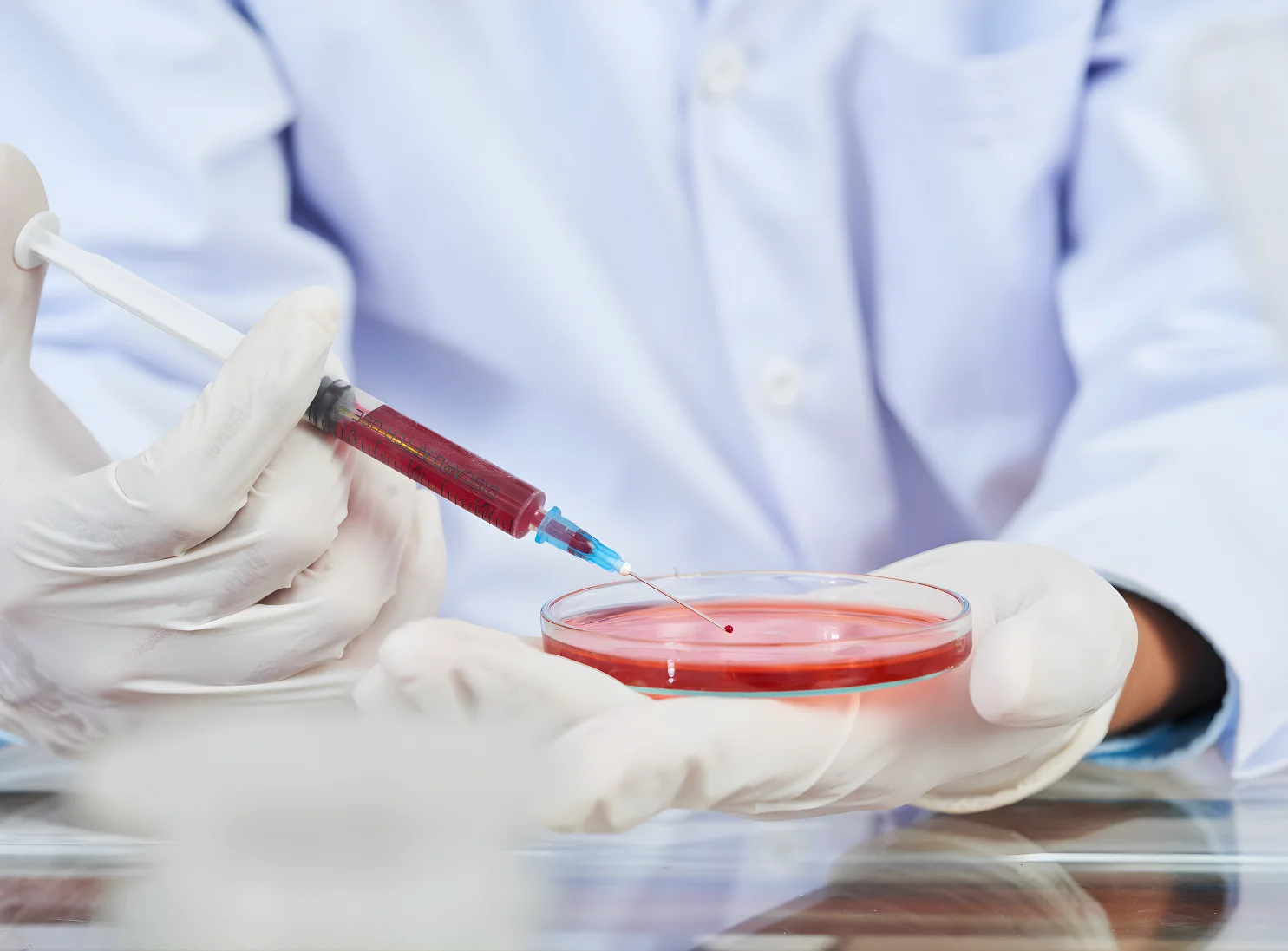
Low Platelets (Thrombocytopenia): When It Becomes Dangerous and When to See a Hemato-Oncologist in Hyderabad
Platelets play a vital role in preventing bleeding and helping blood clot properly after injury. When platelet levels drop below normal, a condition known as thrombocytopenia, the body’s ability to control bleeding becomes compromised. While mild platelet reduction may not cause noticeable symptoms, significantly low levels can become serious and require immediate medical attention. Dr Sitha Pragna, MD, DM, Consultant Hemato-Oncologist and Bone Marrow Transplant Physician in Hyderabad, emphasises that identifying the underlying cause of low platelets is essential before starting treatment.
What Are Platelets and Why Are They Important?
Platelets are small blood components produced in the bone marrow. Their primary function is to help stop bleeding by forming clots at the site of injury. Normal platelet counts generally range between 1.5 to 4.5 lakh per microlitre of blood.
When platelet levels fall significantly, the risk of prolonged bleeding increases. Extremely low counts can lead to spontaneous bleeding, even without visible injury. This is why monitoring platelet levels is critical.
What Is Thrombocytopenia?
Thrombocytopenia refers to a lower-than-normal platelet count. It may develop due to reduced platelet production in the bone marrow, increased destruction in the bloodstream, or excessive pooling in the spleen.
The severity of thrombocytopenia varies. Mild cases may only require monitoring, while severe cases demand urgent evaluation and treatment. Determining the exact cause is the first step toward safe management.
Common Causes of Low Platelet Counts
There are multiple reasons why platelet levels may drop. Some causes are temporary and reversible, while others are more complex. Common causes include:
- Viral infections such as dengue or other viral illnesses
- Autoimmune conditions like immune thrombocytopenic purpura (ITP)
- Certain medications that suppress bone marrow
- Bone marrow disorders or blood cancers
- Chemotherapy-related suppression
- Chronic liver disease
Because causes differ significantly, treatment must be individualised rather than generalised.
Warning Signs of Low Platelets
Many patients discover low platelet counts during routine blood tests. However, symptoms may appear when levels fall below a critical threshold.
Common warning signs include:
- Easy bruising without significant injury
- Small red or purple spots on the skin (petechiae)
- Frequent nosebleeds
- Bleeding gums
- Heavy menstrual bleeding
- Prolonged bleeding from minor cuts
Severe thrombocytopenia may lead to internal bleeding, which requires immediate medical care.
When Does Low Platelet Count Become Dangerous?
Platelet counts below 50,000 increase bleeding risk during injuries or surgeries. Counts below 20,000 significantly raise the risk of spontaneous bleeding, including internal bleeding.
If a patient experiences severe headache, vomiting, vision disturbances, blood in urine or stool, or prolonged bleeding, urgent evaluation by a hemato-oncologist in Hyderabad is necessary. Early intervention can prevent life-threatening complications.
How Thrombocytopenia Is Diagnosed
Diagnosis begins with a complete blood count (CBC) to confirm platelet levels. A peripheral smear helps examine platelet appearance and rule out laboratory errors.
Further testing may include viral screening, autoimmune panels, liver function tests, or bone marrow examination if marrow failure or malignancy is suspected. Accurate diagnosis ensures safe and effective treatment planning.
Treatment Depends on the Cause
Treatment for thrombocytopenia varies based on the underlying cause and severity. Mild cases related to viral infections may resolve with supportive care and monitoring.
Autoimmune causes such as ITP may require corticosteroids, immune therapy, or other medications to reduce platelet destruction. Bone marrow-related causes may require advanced therapies, including targeted treatment or bone marrow transplant in selected cases.
Importance of Specialist Care
Self-medication or unnecessary platelet transfusions without proper diagnosis can delay appropriate treatment. A specialist evaluation ensures that the cause is correctly identified and that therapy is both safe and effective.
Dr Sitha Pragna provides structured monitoring plans, evaluates risk factors, and guides patients through safe management strategies tailored to individual health status.
Expert Insight from Dr Sitha Pragna
“Low platelet counts should never be treated blindly. Understanding whether the issue lies in production, destruction, or underlying marrow disease is essential for safe management,” explains Dr Sitha Pragna, MD, DM, Consultant Hemato-Oncologist and Bone Marrow Transplant Physician in Hyderabad.
Early diagnosis and timely intervention significantly reduce complications and improve patient safety.
Preventive Measures and Monitoring
Patients diagnosed with low platelets should avoid unnecessary trauma, use soft toothbrushes, avoid over-the-counter painkillers that increase bleeding risk unless prescribed, and report unusual bleeding promptly.
Regular follow-up blood tests help track platelet trends and allow timely adjustments in treatment.
Conclusion
Low platelets, or thrombocytopenia, can range from mild and temporary to severe and life-threatening. Recognising warning signs early and seeking expert evaluation ensures safe and effective treatment. Persistent bruising, unexplained bleeding, or abnormal blood reports should never be ignored. Consultation with a hemato-oncologist in Hyderabad provides clarity, accurate diagnosis, and personalised management tailored to each patient’s needs.
Internal Links (examples):
External Links (trusted sources):
Disclaimer
This content is for educational purposes only and should not replace medical consultation. Please contact your doctor for personalised advice.
CTA Line
Consult Dr Sitha Pragna, Hemato-Oncologist in Hyderabad, for expert evaluation and personalised management of low platelet counts.