Blogs
Expert insights on blood disorders, blood cancers, and bone marrow transplant care from Dr. G. Stitha Pragna in Hyderabad.
How Blood Tests Help Spot Cancer Relapse Early: Expert Guidance in Hyderabad
After completing treatment for blood cancer or serious blood disorders, many patients feel relieved but also anxious about the possibility of relapse. Often, early signs of relapse may not cause obvious symptoms. This is where regular blood tests play a critical role. As a consultant hemato-oncologist and bone marrow transplant physician in Hyderabad, Dr Sitha Pragna, MD, DM, emphasises the importance of structured blood monitoring to detect disease changes early and guide timely medical intervention.
Why Early Detection of Relapse Is Important
Cancer relapse occurs when abnormal cells return after a period of remission. In blood cancers, relapse may begin at a microscopic level long before symptoms appear. Detecting these changes early allows doctors to adjust treatment strategies before the disease progresses.
Early identification often leads to better treatment response and may reduce the need for intensive therapies later. Regular blood testing forms the foundation of long-term follow-up care in hemato-oncology.
How Blood Tests Help Identify Relapse
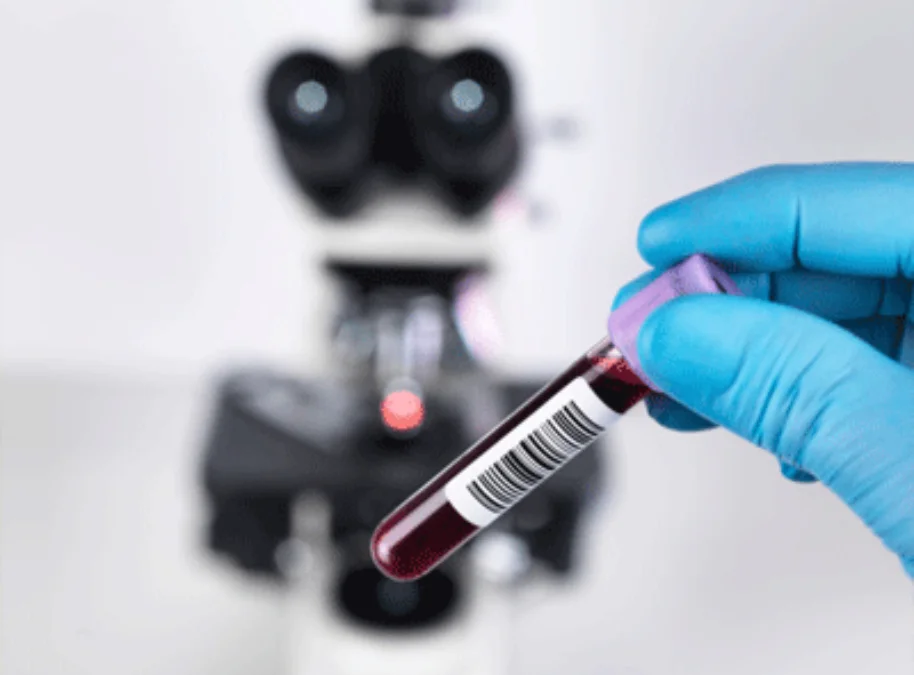
Blood tests help evaluate red blood cells, white blood cells, platelets, and other markers that reflect bone marrow function. Subtle changes in counts or patterns may indicate early disease activity even when the patient feels well.
Advanced tests can also detect abnormal proteins, genetic markers, or immune cell changes associated with relapse. These findings help guide further investigations such as bone marrow studies or imaging, when necessary.
Which Blood Tests Are Commonly Used in Monitoring?
Routine follow-up may include complete blood counts, peripheral smear analysis, and specific markers related to the original diagnosis. These tests are simple, minimally invasive, and provide valuable insights into disease status.
In selected cases, molecular or minimal residual disease testing may be used to detect very small amounts of remaining cancer cells. Such precision monitoring helps personalise follow-up care and treatment decisions.
Who Needs Regular Blood Test Monitoring?
Patients treated for leukemia, lymphoma, multiple myeloma, bone marrow failure disorders, or those who have undergone bone marrow transplant require structured blood test monitoring. The frequency depends on disease type, treatment received, and time since remission.
A hemato-oncologist in Hyderabad carefully designs follow-up schedules to balance early detection with patient comfort, ensuring monitoring remains effective without being excessive.
Expert Insight from Dr Sitha Pragna
“Relapse does not always announce itself with symptoms. Regular blood tests allow us to detect changes early, intervene promptly, and offer patients the best chance for long-term disease control,” explains Dr Sitha Pragna, MD, DM, Consultant Hemato-Oncologist and Bone Marrow Transplant Physician in Hyderabad.
Patient education and adherence to follow-up plans are essential parts of successful long-term care.
Conclusion
Blood tests play a vital role in detecting cancer relapse early, often before symptoms develop. Consistent monitoring allows timely medical decisions and can significantly influence outcomes. Patients who stay engaged with regular follow-up and specialist care are better equipped to manage their condition with confidence and clarity.
Internal Links (examples):
- Blood Cancer Follow-Up and Monitoring
- Post-Treatment Care for Blood Disorders
- Blood Cancer Follow-Up and Monitoring
External Links (trusted sources):
- Centers for Disease Control and Prevention (CDC) – Immunotherapy Overview
- Indian Council of Medical Research (ICMR) – Cancer Treatment Guidelines
- World Health Organization (WHO) – Cancer Immunotherapy
Disclaimer
This content is for educational purposes only and should not replace medical consultation. Please contact your doctor for personalised advice.
CTA Line
Consult hemato-oncologist Dr Sitha Pragna in Hyderabad for expert follow-up care and early relapse monitoring through advanced blood testing.