Aplastic Anaemia
Expert bone marrow failure and aplastic anemia care by Dr. G. Stitha Pragna in Hyderabad.
Aplastic Anemia Treatment in Hyderabad | Dr. G. Stitha Pragna
Advanced Bone Marrow Failure Treatment by Expert Hemato-Oncologist
Comprehensive Aplastic Anemia Treatment in Nallagandla & Manikonda | Blood Disorder Specialist in Hyderabad
Are you experiencing persistent fatigue, recurrent infections,
easy bruising or bleeding, nose or gum bleeding,
breathlessness, or pale skin? These may be signs of aplastic
anemia, a serious bone marrow failure disorder that requires
urgent specialist evaluation and treatment.
Dr. G. Stitha Pragna is a trusted
Hemato-Oncologist, Aplastic Anemia Specialist, and Blood
Disorder Specialist in Hyderabad, providing advanced
aplastic anemia treatment in Hyderabad with expertise in
bone marrow failure management, immunosuppressive therapy, and
bone marrow transplantation. Patients from Nallagandla,
Manikonda, and across Hyderabad receive comprehensive,
long-term care.
Meet Our Expert
Dr. G. Stitha Pragna is a highly experienced Hemato-Oncologist and Bone Marrow Failure Specialist in Hyderabad, with extensive expertise in managing aplastic anemia and related blood disorders.
He specializes in treating both acquired and inherited bone
marrow failure syndromes using immunosuppressive therapy,
transfusion support, infection management, and stem cell
transplantation. His approach focuses on accurate diagnosis,
personalized treatment, and long-term recovery.
He consults at ADI Hospital, Nallagandla, and S&S Clinic,
Manikonda, providing specialized aplastic anemia care in
Hyderabad.
Why Choose Us for Aplastic Anemia Treatment in Hyderabad?
- Expert Diagnosis & Bone Marrow Evaluation: Advanced diagnostic testing including bone marrow biopsy, flow cytometry, and genetic studies to accurately identify disease type and severity.
- Personalized Treatment Planning: Treatment is tailored based on severity, age, donor availability, and whether the disease is acquired or inherited.
- Advanced Bone Marrow Failure Care: Evidence-based management including immunosuppressive therapy and curative transplant options.
- Comprehensive Supportive Care: Includes transfusion support, infection prevention, bleeding management, and long-term monitoring.
- Multidisciplinary Expertise: Coordinated care involving hematology, transplant specialists, genetics, infectious disease, and critical care teams.
Our Aplastic Anemia Services Include
1. Aplastic Anemia Diagnosis & Evaluation
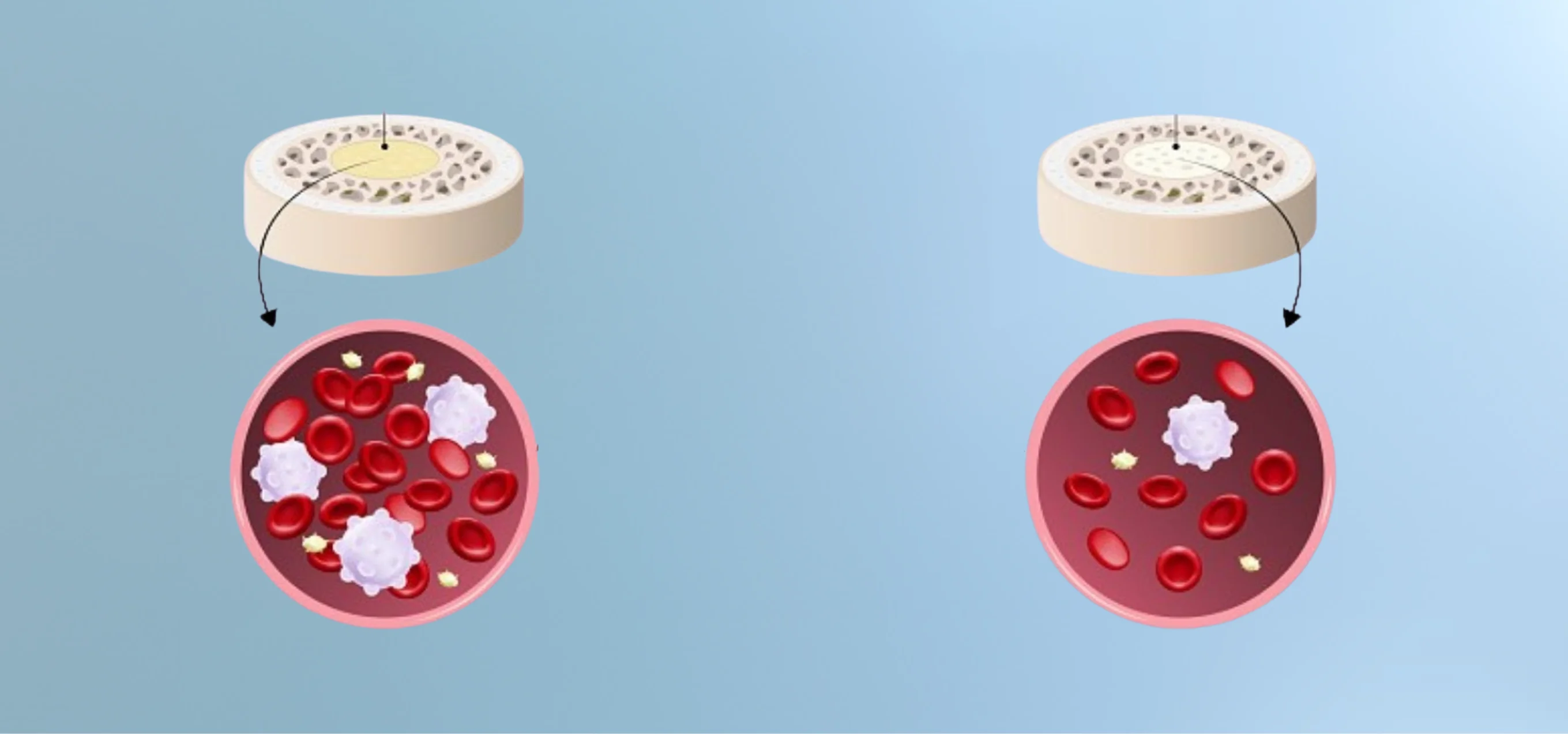
Aplastic anemia is a condition where the bone marrow fails to produce enough red blood cells, white blood cells, and platelets.
Diagnosis includes:
- Complete blood count (CBC)
- Peripheral smear
- Bone marrow aspiration and biopsy
- Flow cytometry for PNH clones
- Cytogenetic and molecular testing
- Viral and autoimmune screening
- Evaluation for inherited marrow failure syndromes
Early diagnosis is critical for effective treatment planning.
2. Types of Aplastic Anemia
Acquired Aplastic Anemia
Most common form caused by immune-mediated destruction of bone marrow stem cells. It may be triggered by autoimmune conditions, infections, drugs, toxins, radiation, or may be idiopathic.
Inherited Bone Marrow Failure Syndromes
Genetic conditions such as Fanconi anemia, Dyskeratosis congenita, Shwachman-Diamond syndrome, and telomere disorders. These require special treatment planning and genetic evaluation.
3. PNH and Aplastic Anemia
Paroxysmal Nocturnal Hemoglobinuria (PNH) may coexist with aplastic anemia and causes hemolysis, fatigue, dark urine, and blood clots.
Flow cytometry testing is essential for diagnosis, and modern targeted therapies have significantly improved outcomes.
4. Treatment Options for Aplastic Anemia
Treatment depends on severity, age, donor availability, and disease type.
5. Supportive Care
- Blood transfusions
- Platelet transfusions
- Infection prevention and treatment
- Iron overload monitoring
- Growth factor support in selected cases
6. Immunosuppressive Therapy (IST)
Used mainly in acquired aplastic anemia.
Includes:
- Anti-thymocyte globulin (ATG)
- Cyclosporine
- Eltrombopag
Many patients show strong response to modern IST protocols.
7. Bone Marrow Transplant — Curative Treatment
Hematopoietic stem cell transplantation is the only curative option for aplastic anemia.
It is especially recommended in:
- Severe or very severe aplastic anemia
- Young patients
- Matched donor availability
- Inherited bone marrow failure syndromes
- Non-responders to immunosuppressive therapy
Benefits of Early Transplant
- Higher cure rates
- Better survival outcomes
- Reduced infection risk
- Lower transfusion burden
- Prevention of long-term complications
8. Donor Options
- Matched sibling donor
- Matched unrelated donor
- Haploidentical donor
- Alternative donor transplants
Advances in transplant medicine have significantly improved safety and success rates.
9. Infection Care in Aplastic Anemia
Patients are highly prone to infections due to low immunity.
Our infection care approach includes:
- Early fever management
- Broad-spectrum antibiotics
- Antifungal and antiviral therapy
- Protective isolation when required
- Specialized transfusion care
10. Multidisciplinary Care
- Hemato-oncologists
- Bone marrow transplant specialists
- Genetic specialists
- Infectious disease experts
- Transfusion medicine teams
- Critical care specialists
- Nutrition and rehabilitation teams
Common Questions About Aplastic Anemia
It is a condition where the bone marrow fails to produce enough blood cells, leading to anemia, infections, and bleeding problems.
Yes, in many cases, especially with bone marrow transplantation or successful immunosuppressive therapy.
It may be caused by autoimmune disease, infections, drugs, toxins, or genetic conditions, or may be idiopathic.
Treatment includes immunosuppressive therapy or bone marrow transplant depending on severity and patient condition.
Early treatment improves survival, reduces complications, and increases success rates of therapy or transplant.
Why Early Treatment Matters
Early diagnosis and timely treatment significantly improve outcomes in aplastic anemia. With advances in immunosuppressive therapy, genetic testing, infection control, and bone marrow transplantation, many patients achieve long-term survival and good quality of life.
Schedule Your Appointment Today
Take the first step toward expert aplastic anemia treatment in Hyderabad with Dr. G. Stitha Pragna.
Receive advanced care with expert diagnosis, personalized treatment, and continuous support throughout your journey.
Book an Appointment