Blogs
Expert insights on blood disorders, blood cancers, and bone marrow transplant care from Dr. G. Stitha Pragna in Hyderabad.
CAR-T Therapy Success in Lymphomas: A Breakthrough Treatment in Hyderabad
Lymphomas that do not respond to standard chemotherapy or relapse after treatment can be emotionally and physically overwhelming for patients and families. In recent years, CAR-T cell therapy has emerged as a major breakthrough for certain aggressive and treatment-resistant lymphomas. As a consultant hemato-oncologist and bone marrow transplant physician in Hyderabad, Dr Sitha Pragna, MD, DM, guides patients through advanced treatment options like CAR-T therapy with careful evaluation, evidence-based planning, and long-term follow-up.
What Is CAR-T Cell Therapy?
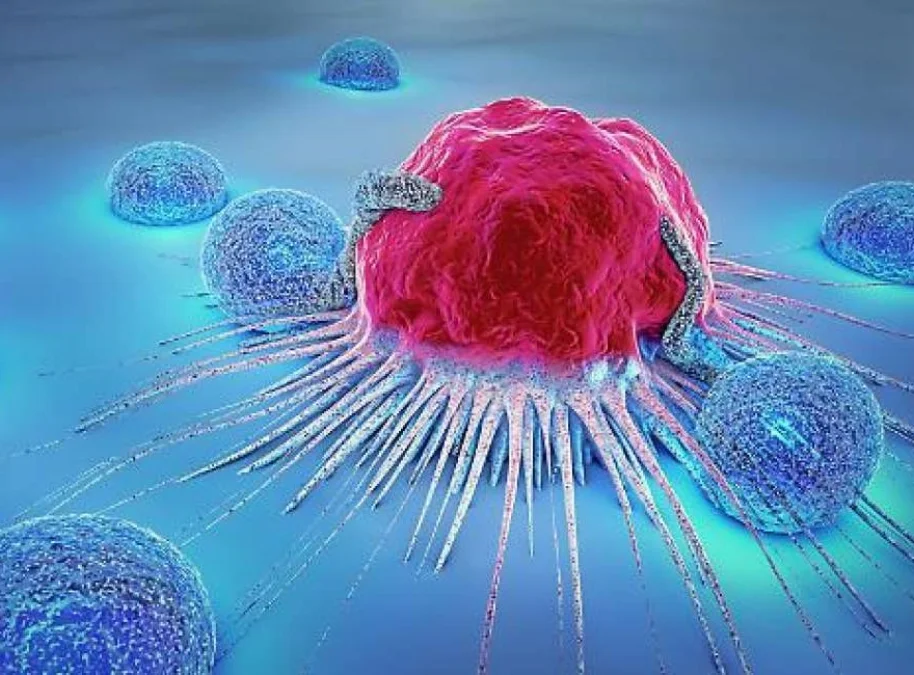
CAR-T cell therapy, short for Chimeric Antigen Receptor T-cell therapy, is a form of advanced immunotherapy. It uses a patient’s own immune cells, which are genetically modified in a laboratory to recognise and attack cancer cells more effectively.
Once modified, these engineered T cells are infused back into the patient, where they actively seek out and destroy lymphoma cells. This targeted approach allows the immune system to fight cancer with greater precision compared to conventional chemotherapy.
How CAR-T Therapy Has Changed Lymphoma Treatment
CAR-T therapy has shown encouraging success in certain types of relapsed or refractory lymphomas, especially when other treatments have failed. For some patients, it offers a chance for durable remission even after multiple prior therapies.
Unlike traditional treatments that affect both healthy and cancerous cells, CAR-T therapy focuses specifically on cancer markers. This personalised approach has reshaped treatment strategies for aggressive lymphomas that were once considered difficult to control.
Success Rates and Benefits of CAR-T Therapy
Clinical studies and real-world data have shown significant response rates in selected lymphoma patients receiving CAR-T therapy. Many patients experience substantial tumour reduction, and some achieve long-term disease control.
Beyond remission potential, CAR-T therapy can reduce the need for repeated chemotherapy cycles. For eligible patients, this translates into improved quality of life and a more targeted treatment approach guided by specialised hemato-oncology care.
Possible Side Effects and Risks of CAR-T Therapy
While CAR-T therapy is highly advanced, it can cause side effects that require close medical monitoring. Common short-term effects include fever, fatigue, low blood pressure, and inflammatory responses known as cytokine release syndrome.
Some patients may also experience temporary neurological symptoms such as confusion or headaches. These effects are usually manageable when detected early, highlighting the importance of treatment under the supervision of an experienced CAR-T specialist.
Who Is Suitable for CAR-T Therapy?
CAR-T therapy is not recommended for all lymphoma patients. Eligibility depends on the type of lymphoma, previous treatments, overall health, organ function, and disease status. A thorough evaluation is essential before proceeding.
A detailed assessment by a hemato-oncologist in Hyderabad helps determine whether CAR-T therapy is appropriate. This includes reviewing medical history, treatment response, and potential risks to ensure patient safety and optimal outcomes.
Expert Insight from Dr Sitha Pragna
“CAR-T therapy represents a major step forward in lymphoma care. With careful patient selection, close monitoring, and long-term follow-up, it offers meaningful hope for patients with treatment-resistant disease,” explains Dr Sitha Pragna, MD, DM, Consultant Hemato-Oncologist and Bone Marrow Transplant Physician in Hyderabad.
Clear counselling and realistic expectations remain central to achieving the best possible results with this advanced therapy.
Conclusion
CAR-T cell therapy has transformed the treatment landscape for selected lymphoma patients, especially those with relapsed or refractory disease. While it involves specialised care and potential risks, it offers a powerful option when conventional treatments are no longer effective. Early referral and expert evaluation play a key role in determining suitability and improving outcomes.
Internal Links (examples):
- Lymphoma Diagnosis and Treatment
- Advanced Immunotherapy for Blood Cancers
- Post-CAR-T Therapy Monitoring and Follow-Up
External Links (trusted sources):
- Centers for Disease Control and Prevention (CDC) – Immunotherapy Overview
- Indian Council of Medical Research (ICMR) – Cancer Treatment Guidelines
- World Health Organization (WHO) – Cancer Immunotherapy
Disclaimer
This content is for educational purposes only and should not replace medical consultation. Please contact your doctor for personalised advice.
CTA Line
Consult hemato-oncologist Dr Sitha Pragna in Hyderabad to understand whether CAR-T therapy is suitable for lymphoma treatment.