Blogs
Expert insights on blood disorders, blood cancers, and bone marrow transplant care from Dr. G. Stitha Pragna in Hyderabad.
Bone Marrow Transplant in Hyderabad: How It Saves Lives, Benefits, Risks, and Who Is Eligible
For many patients diagnosed with serious blood cancers or life-threatening blood disorders, a bone marrow transplant can offer renewed hope. When standard treatments are no longer effective, replacing diseased bone marrow with healthy stem cells can restore normal blood production and immune function. As a consultant hemato-oncologist and bone marrow transplant physician in Hyderabad, Dr Sitha Pragna, MD, DM, helps patients understand whether a bone marrow transplant is appropriate, what the procedure involves, and how it can improve long-term survival and quality of life.
What Is a Bone Marrow Transplant?
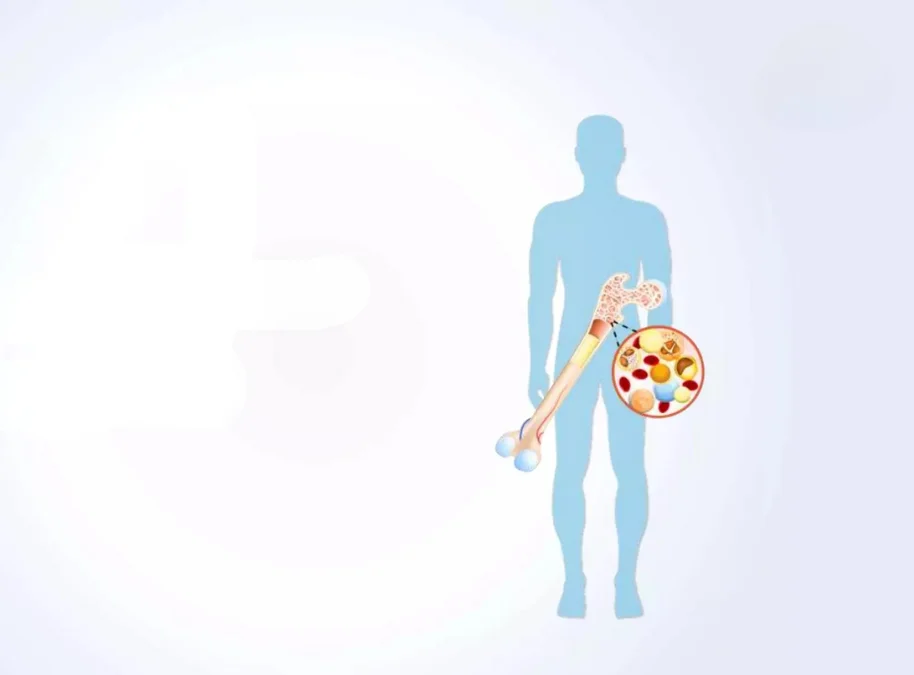
A bone marrow transplant (BMT), also called a stem cell transplant, is a medical procedure that replaces damaged or diseased bone marrow with healthy blood-forming stem cells. Bone marrow is responsible for producing red blood cells, white blood cells, and platelets, all of which are essential for survival.
The transplant may use the patient’s own stem cells (autologous transplant) or stem cells from a compatible donor (allogeneic transplant). The goal is to allow healthy stem cells to rebuild the bone marrow and restore normal blood and immune system function.
How Bone Marrow Transplant Becomes a Life-Saving Treatment
In conditions such as leukemia, lymphoma, multiple myeloma, and bone marrow failure syndromes, abnormal cells crowd out healthy blood cells. A bone marrow transplant helps eliminate diseased cells through high-dose therapy and replaces them with healthy stem cells capable of producing normal blood cells.
For many patients, BMT offers the possibility of long-term remission or cure when other treatments are insufficient. Careful patient selection, donor matching, and close medical monitoring are essential to maximise safety and success.
Benefits of Bone Marrow Transplant
The most important benefit of a bone marrow transplant is the potential to restore normal blood formation and immune defence. This can significantly reduce infections, bleeding complications, and the need for repeated transfusions in eligible patients.
In selected blood cancers, BMT can improve survival rates and reduce the risk of disease relapse. Many patients also experience improved energy levels and overall health once recovery is complete and blood counts stabilise.
Possible Side Effects and Risks of Bone Marrow Transplant
Like any advanced medical procedure, bone marrow transplant carries potential risks. Short-term side effects may include infections, fatigue, mouth ulcers, nausea, and temporary hair loss due to conditioning treatments.
Long-term risks can include graft-versus-host disease (in donor transplants), delayed immune recovery, hormonal changes, and organ-related complications. Regular follow-up with a bone marrow transplant specialist is crucial for early detection and management of these issues.
Who Is Suitable for a Bone Marrow Transplant?
Not every patient with a blood disorder requires or qualifies for a bone marrow transplant. Suitability depends on factors such as the type and stage of disease, response to prior treatments, age, overall health, and availability of a suitable donor.
A detailed evaluation by a bone marrow transplant physician in Hyderabad helps determine whether the benefits of transplant outweigh the risks. This assessment includes blood tests, imaging, organ function tests, and donor compatibility screening.
Expert Insight from Dr Sitha Pragna
“Bone marrow transplant is not just a procedure, it is a carefully planned journey. With proper evaluation, patient education, and long-term follow-up, many individuals can achieve meaningful recovery and improved survival,” says Dr Sitha Pragna, MD, DM, Consultant Hemato-Oncologist and Bone Marrow Transplant Physician in Hyderabad.
Clear communication, emotional support, and personalised care planning are key components of successful transplant outcomes.
Conclusion
Bone marrow transplant remains one of the most powerful treatment options for selected blood cancers and serious blood disorders. While it involves risks, careful patient selection and expert medical supervision can make it a life-saving intervention. If you or a family member has been advised to consider a bone marrow transplant, timely consultation with an experienced hemato-oncologist can help you understand the process and make informed decisions.
Internal Links (examples):
- Blood Cancer Diagnosis and Treatment
- Bone Marrow Transplant Evaluation
- Post-Transplant Follow-Up Care
External Links (trusted sources):
- Centers for Disease Control and Prevention (CDC) – Bone Marrow Transplant Overview
- Indian Council of Medical Research (ICMR) – Cancer Treatment Guidelines
- World Health Organization (WHO) – Stem Cell Transplantation
Disclaimer
This content is for educational purposes only and should not replace medical consultation. Please contact your doctor for personalised advice.
CTA Line
Consult hemato-oncologist Dr Sitha Pragna in Hyderabad for expert evaluation and guidance on bone marrow transplant suitability and care.